An Accident, a Pile of Debt, and Rp200K (~$13): A Housewife Made Mung-Bean Pastry at Home — Now 500 Boxes a Day, Hundreds of Millions a Month, 20 Staff
Leni Diana Putri is a housewife in Blitar, Indonesia, who lost her father young and trained in culinary arts. In 2010, pregnant with her first child, a severe accident badly injured her right hand. To help her husband repay a bank loan, she started making pastries to leave at nearby shops. In 2016 she began making mung-bean pia with just Rp200,000 (~$13), 20 boxes a day, taking orders over social media. Today Pia Putri Blitar makes 300–500 boxes a day (1,000–1,200 in peak season), hundreds of millions of rupiah a month, and employs about 20 locals. From that first Rp200K she cleared all her debt, bought equipment, and built a house.
Process
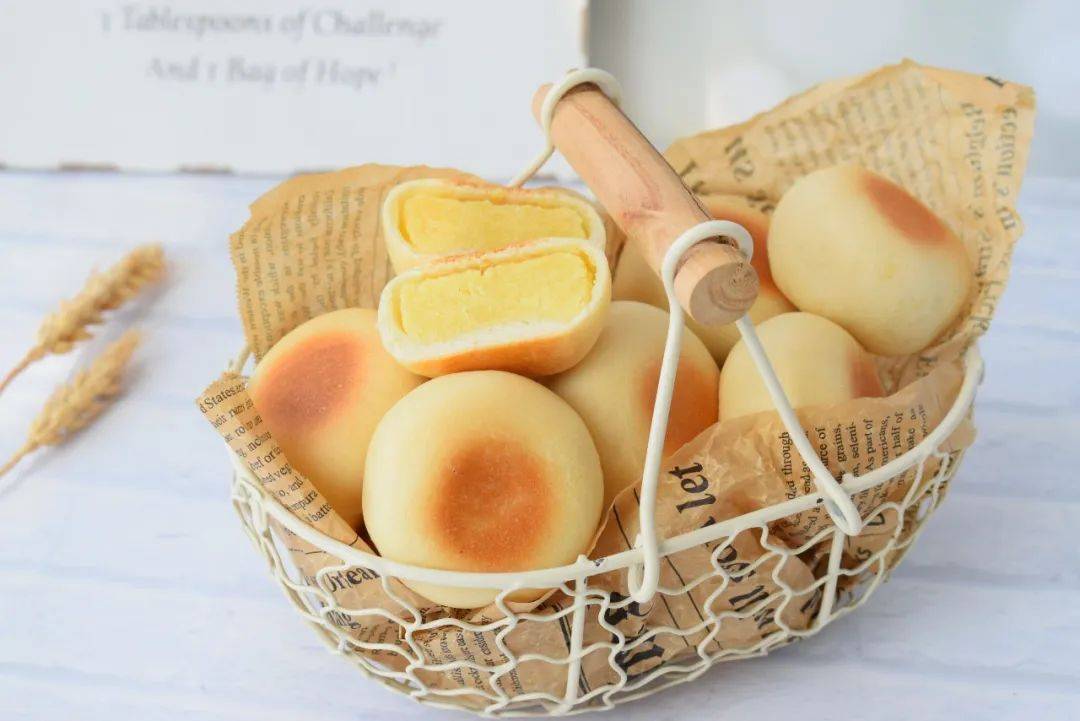
Leni Diana Putri is a housewife in Blitar, East Java, Indonesia. Today her mung-bean pia brand, Pia Putri Blitar, makes 500 boxes a day, brings in hundreds of millions of rupiah a month, and employs about 20 locals. But it all started with just Rp200,000 — about $13 — plus a badly injured right hand and a pile of debt.
Stage 1 — The start (2010–2016): an accident, a pile of debt, a housewife making pastries at home
Leni lost her father young and grew up poor; she trained in culinary arts (tata boga) at vocational school. After marrying in 2010, she suffered a serious accident while pregnant with her first child, badly injuring her right hand.
The family was struggling with a bank loan. To help her husband repay it, Leni used her cooking skills to make simple pastries at home and leave them at nearby shops. These were days driven by necessity — not "I want to start a business," but "I have to find a way."
Stage 2 — The Rp200K turn (2016): mung-bean pia, 20 boxes a day, orders over social media
In 2016, Leni resolved to build a real business: mung-bean pia (pastry). Her entire startup capital was just Rp200,000 (~$13).
She made 20 boxes a day, one box at a time, selling them one box at a time. Soon orders began arriving over social media — people tried them, found them good, came back to buy more, and told others. A little kitchen-table business had earned its first base of repeat customers.
Stage 3 — The snowball: from 20 boxes a day to 500
As word-of-mouth and repeat buying kicked in, production snowballed: from 20 boxes a day to 300–500 boxes a day, and 1,000–1,200 boxes in the festive peak season, with raw materials alone costing about Rp25 million a week.
Leni turned pia into a Blitar "souvenir" (oleh-oleh) — giving an ordinary pastry the identity of "a local specialty worth taking home as a gift." Flavors expanded from mung bean to sweet potato, chocolate, and more, sold across the country through TikTok, Facebook, and resellers.
Stage 4 — Hundreds of millions a month, 20 staff: from debt to a house
Today, Pia Putri Blitar brings in hundreds of millions of rupiah a month and employs about 20 people from the surrounding area, turning a home kitchen into a small factory that supports local jobs.
And all of it snowballed from that Rp200,000. Leni used it to clear all her debt, buy equipment, and build a house. Asked the secret of her success, she gave a plain but powerful answer:
"I believe what you grow isn't the capital, but the willingness. From just Rp200K, I was able to clear all my debts in the end. What needs to be cultivated is willingness and courage, not money." — Leni Diana Putri (paraphrased from public interviews)
Source: Kapan Saja · Sewaktu.id · TikTok @piaputri05
Thinking
Insight 1: Rp200K ($13) proves the scarce thing isn't capital — it's the willingness to start
Leni's own line is the heart of this case: "what you grow is willingness and courage, not money." She started with the price of a meal, snowballed it as she went, and ended up with a business doing hundreds of millions of rupiah a month.
Most people are stuck "waiting until I have money, until I'm ready" — and that's exactly the trap. When startup cost can be as low as $13, the only real barrier is psychological: are you willing to make the first box today and sell the first box today? Money isn't the reason you haven't started; "unwilling to start" is. What's most worth remembering here isn't the pia — it's that sentence.
Insight 2: Adversity is a starting point, not an end — people pushed by life endure the cold start better
Leni wasn't "chasing a dream" in comfortable circumstances; she began with a badly injured right hand and a pile of debt. Her motive wasn't "I want to get rich" but "I have to help my family repay the loan."
That's actually a stronger fuel: when you're pushed by life, solving a real and present hardship, your tolerance for the pain of the cold start is far higher than someone just "giving it a try." Many people lose by quitting at the first setback; someone cornered by life has no exit but through. Adversity isn't necessarily a disadvantage — it's often the very reason you don't give up.
Insight 3: Reinvesting profit one box at a time is the most stable way to scale a low-barrier business
She didn't raise money or make a big leveraged bet; daily output climbed from 20 boxes to 500, one box at a time. Each extra box sold meant a little more cash flow, which then bought raw materials, equipment, and helping hands.
For an ordinary person with no resources, this is the most realistic and most resilient path: let the business earn the money for its own next step. It's slow, but every step stands firm and won't collapse over a loan you can't repay. Survival always comes first — stay alive, then talk about scaling. That's why these "cash-flow-reinvested" grassroots businesses survive far better than burn-the-cash models.
Insight 4: Give an ordinary product an "identity / occasion" — turn a pastry into a "local souvenir"
Pia is everywhere, but "Blitar's pia souvenir" is different. Leni gave an ordinary pastry the identity and occasion of "a local specialty worth taking home as a gift."
This is the smartest low-cost differentiation move: you don't have to invent a new product — give an ordinary product an "identity, occasion, or story": gift, specialty, festival, health, nostalgia. The same pastry as "a snack you grab" versus "a Blitar specialty gift" are two completely different businesses in price, repeat rate, and word-of-mouth. Figure out first: which "buy-it-on-purpose" label can your product wear?
Insight 5: Social media is the free amplifier for a grassroots business
A housewife in Blitar, with no storefront and no ad budget, sold mung-bean pastry across the country through TikTok and Facebook. Her orders came from social media from the very start.
Today the cheapest and fairest acquisition channel is social media — it opens the same traffic gate to a big company with stores and to a mom in a kitchen. Keep filming your product, your process, your story, and let the algorithm find your customers. For an ordinary person with no budget, this isn't "optional" — it's the highway that bypasses storefronts and ads to reach buyers nationwide directly.
Action
Step 1: Start with "the price of a meal" — don't wait until you've saved up capital
Leni started with Rp200,000. Make the product in the smallest batch (even 20 boxes a day), put it out, sell it, and validate whether anyone actually buys and re-buys. Don't wait for "enough money, everything ready" — that day may never come. When startup cost is near zero, the only barrier is whether you'll act today. Start first, optimize later.
Step 2: Pick a low-barrier, everyday product people re-buy
Things like pia and pastries are easy to make, have steady demand, and get bought again and again. Pick something you can make that people will buy repeatedly, and get the business running first. Don't chase fancy or a long list of variants up front — one simple product that sells steadily with repeat customers is enough to snowball your first cash flow.
Step 3: Snowball with profit, don't rush to borrow and over-build
From 20 boxes to 500, the engine was reinvested cash flow, not funding. Use what you earn first — for materials, equipment, helping hands — slower, but every step stands firm and isn't crushed by debt. Surviving always beats scaling fast. Letting the business earn its own expansion is the most stable way for an ordinary person to grow.
Step 4: Give your ordinary product an "identity / occasion"
Find a way to put a "buy-it-on-purpose" label on your product — local specialty, souvenir, festival edition, health, handmade, nostalgia. Leni turned an ordinary pastry into a "Blitar souvenir." The same thing, with an identity and an occasion, behaves differently in price, repeat rate, and shareability. This is almost-zero-cost differentiation.
Step 5: Treat social media as your free storefront, and post relentlessly
You can sell nationwide without a physical store. Keep posting your product, your process, and your story on TikTok, Facebook, Instagram, and let the platform find your customers. For an ordinary person with no ad budget, this is the cheapest and fairest way to acquire customers — the key isn't technique, it's posting consistently.
Not for you if: you keep waiting until you have "enough capital and are fully ready" (she started with Rp200K); or you want a one-off product with no repeat purchase; or you won't post content consistently on social media and just want orders to come to you.