She Drew Pet Portraits on Etsy, Then Switched to Print-on-Demand: ~$100K a Year Working 6 Hours a Week, Zero Inventory
Christina Umerez is a solo Etsy seller who started during the pandemic drawing custom pet portraits by hand. Each took two hours and didn't scale, so she pivoted to print-on-demand (POD) with Printify — she only makes the design; printing and shipping are outsourced, with zero inventory. She listed in volume (800+ designs today), went from ~$300 a month to over $12,000 in her first holiday season, reached about $100,000 profit in 2022, and quit her full-time job less than a year in. Today the business takes her about 6 hours a week.
Process
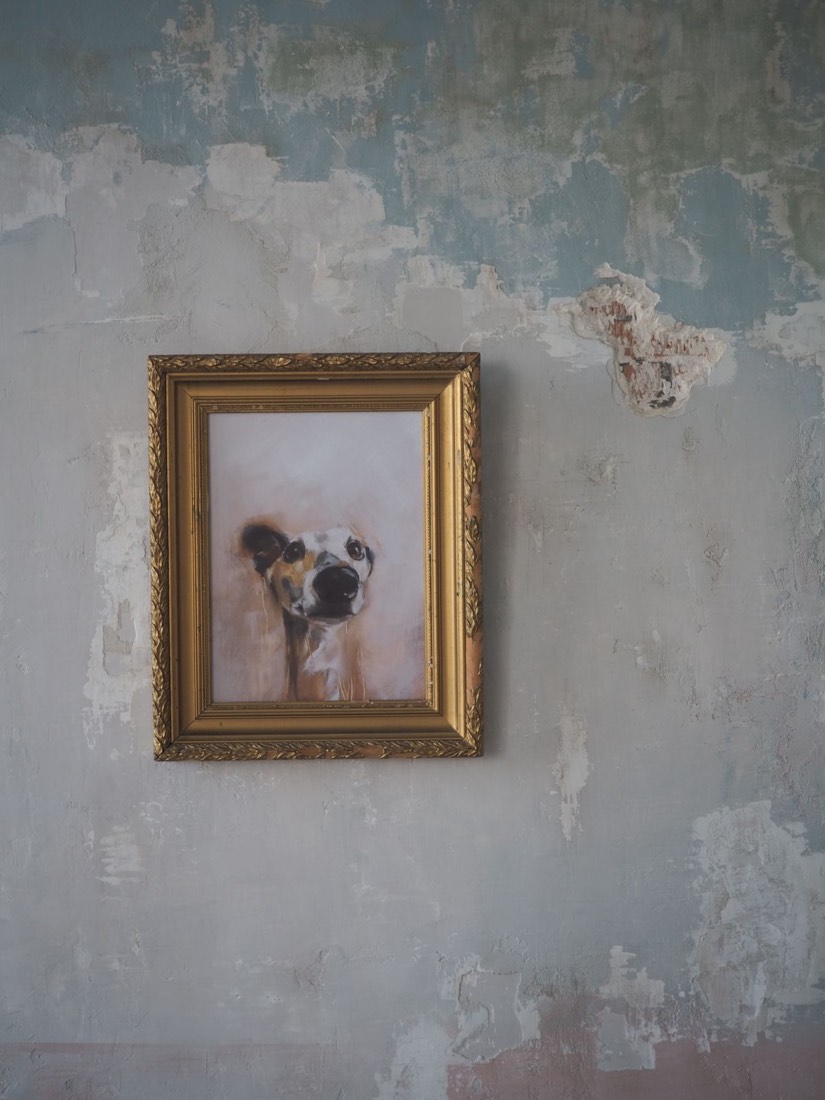
Christina Umerez is a solo Etsy seller in the US. During the pandemic she started a side hustle drawing custom pet portraits — and turned it into a print-on-demand (POD) business that profits roughly $100,000 a year while she works about 6 hours a week. The pivot — from hand-drawing to POD — is the whole lesson.
Stage 1 — The start: hand-drawing custom pet portraits on Etsy
During COVID, Christina looked for a side hustle. She could draw, so she sold custom pet portraits on Etsy: customers sent a photo of their dog or cat, and she painted it by hand. Orders came in; early on she made about $300 a month.
Stage 2 — The wall: hand-drawing doesn't scale
The problem showed up fast. Each portrait took about two hours, and she still had a full-time job. More sellers piled in and a price war started. Trading her own hours for money had a hard ceiling — the more she drew, the more exhausted she got, and income was capped.
Stage 3 — The pivot: discover print-on-demand, outsource printing and shipping
She came across print-on-demand (POD) on YouTube: you only make the design, and when a customer orders, a third-party platform (she uses Printify) automatically prints and ships it — you hold no inventory, never touch stock, never pack a box. In 2021 she opened a POD shop with no design or marketing experience, tested a few designs, and made her first sale in about five weeks. Instead of earning once per painting, one design could now sell an unlimited number of times.
Stage 4 — Volume and scale: 800+ designs, five figures a month, quitting the job
She focused on picking a niche — small, un-saturated themes (specific interests, professions, seasons) — and listed in volume (today 800+ designs). In her first holiday season (Nov–Dec) she did over $12,000 in a month; once steady, profit ran $6,000–8,000 a month, with 2022 profit close to $100,000. Less than a year after starting POD, she quit her full-time job. Today the business takes her about 6 hours a week. She used no paid ads — just the platform's algorithm and customer reviews.
"Hand-drawing, you get paid once per piece. With print-on-demand, one design sells over and over — and the printing and shipping aren't yours to do." — Christina Umerez (paraphrased from public interviews)
Source: Entrepreneur · Yahoo Finance · Smart Passive Income (SPI 693) · Printify
Thinking
Insight 1: Go from "selling time" to "make once, get paid endlessly" — that's the real leverage
A hand-drawn portrait takes two hours and pays once; your income is locked to your hours. POD lets one design sell endlessly with printing and shipping outsourced. The real lever for an ordinary person is an asset you make once and monetize repeatedly — a design, a template, a piece of content. Don't trade time for money linearly.
Insight 2: Zero inventory, zero shipping — the best commerce structure for someone with no capital
POD means no stock, no money tied up, no packing — it's printed and shipped only after a customer orders. Startup cost is almost zero and risk is almost zero: Printify is free to join, Etsy listings are cheap, and unsold designs cost you nothing. For an ordinary person with no money, this is the most realistic way into e-commerce.
Insight 3: Pets are the entry point, not the ceiling — design around identity and emotion
She started with pet portraits but scaled with niche designs. Pets, hobbies, professions, holidays — these "identity and emotion" tags are a goldmine for POD: people pay for things that say "this is who I am." Enter through a crowd you understand (like pet owners), then expand.
Insight 4: Test the market with volume, don't bet on one hit
She listed 800+ designs. POD has near-zero marginal cost, so the right play is to list a lot and let the market tell you what sells — not to agonize over one perfect product. Get 100+ live to start, let real sales filter winners, then scale the winners.
Insight 5: Evergreen + seasonal = year-round cash flow
Her designs balance evergreen and seasonal (fall/winter sweatshirts, summer tees, holidays). Seasonal drives peaks (her first holiday season hit $12K/month); evergreen keeps orders coming in the slow months. Your design mix decides how smooth your cash-flow curve is.
Action
Step 1: Pick a "make once, sell repeatedly" format — POD is the lowest barrier
Don't sell your time via hand-drawing or made-to-order. Use print-on-demand: you only make the design; printing and shipping are outsourced to a platform like Printify, and one design sells endlessly. Zero inventory, zero shipping, almost zero startup cost.
Step 2: Enter through a crowd you understand, lock one niche first
Pet owners, a hobby community, a profession… pick a specific, un-saturated crowd you understand and design for their "identity and emotion" (e.g. "my dog's breed" themes). The more specific the niche, the better it sells and the less you fight price wars.
Step 3: List in volume, let the market find the winners — don't bet on one
POD has near-zero marginal cost. List 100+ designs to start, use real sales to find winners, then expand around them. It's not one big bet; it's spread wide and scale the winners. She's at 800+ now.
Step 4: Balance evergreen and seasonal for year-round cash flow
Make a batch of evergreen designs for a baseline (orders all year), then layer seasonal/holiday designs for peaks (fall/winter sweatshirts, summer tees, Christmas). Her first holiday season alone hit $12K/month on seasonal.
Step 5: Skip ads at first — grow on the algorithm + reviews
She used no paid ads or SEO tools. Get your design count and quality up, stack good reviews, and let Etsy's algorithm push you out. Put the money and time you save into making more designs.
Not for you if: you want to sell time "one painting, one payment" (that's a ceiling, not leverage); you want one viral hit to get rich overnight (POD is a volume game); or you won't keep listing new designs through a few months of cold start.