After 70 Failures, a Solo Founder Built a $132K/Month AI Photo Studio (Photo AI)
Dutch programmer Pieter Levels built 70+ products before hitting the Stable Diffusion window in 2022. Made $150K with AI avatars, got crushed by Lensa, pivoted to photorealistic AI photo shoots (Photo AI). 14K lines of PHP, Twitter traffic, zero ads — $0 to $132K MRR in 18 months, 87% net margin, forever solo.
Process
Pieter Levels, Dutch, born 1987. MBA graduate who lasted about six months in corporate before fleeing with a backpack to Asia in 2013, living out of hostels on a laptop. He tried video blogging, music production, anything that could stick. Most of it didn't.
Stage 1: 70 Failures and a Distribution Network
In 2014, he gave himself a rule: 12 startups in 12 months — one product per month. The goal wasn't to build anything perfect. It was to learn fast by shipping fast. "You don't need investors. You need customers who pay."
Most products died. But the 7th one didn't: Nomad List — a site that let digital nomads find cities by internet speed, cost of living, weather, and safety ratings. It grew into a paid membership community, gave him stable income — and most importantly, built him an audience of 600,000 people on Twitter who watched his every move.
Levels made a practice of sharing everything publicly: Stripe screenshots, code bugs, 3am confusion. All of it. Over a decade, this "building in public" habit transformed his Twitter account into a free, hyper-targeted launch channel, waiting for the right product to fire through it.
Stage 2: Racing Stable Diffusion — $150K in 10 Days, Then Crushed
October 2022. The AI image generation window opened. Levels saw DreamBooth land on GitHub and started building the same week.
He built Avatar AI (avatarai.me): upload your photos, get AI-generated cartoon-style avatars.
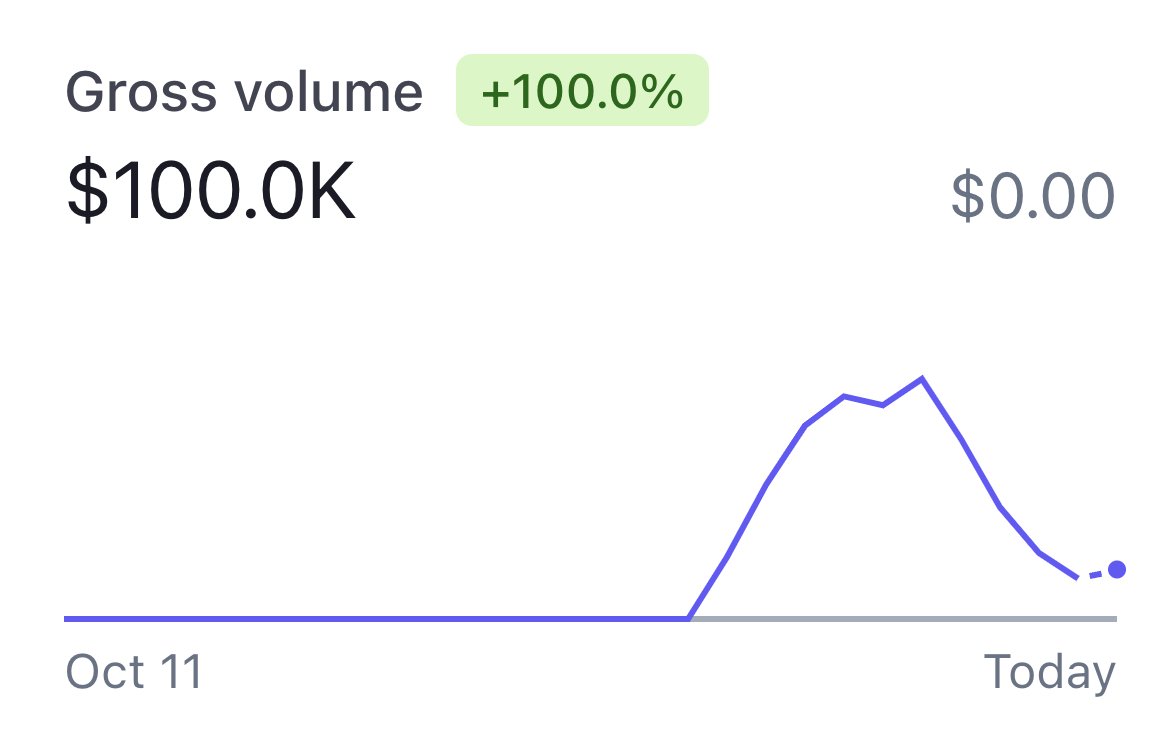
The result: $150,000 in Stripe revenue in 10 days. He posted the screenshot on Twitter. The internet went wild.
Then came the nightmare. Lensa AI saw the opportunity. This was a VC-backed company with a proper mobile app and a larger team. They launched the same product, better. Levels couldn't compete on polish or marketing budget. Avatar AI's growth collapsed.
The decision point: keep fighting in the "cartoon avatar" lane, or use the same underlying technology to build something harder to copy?
Stage 3: The Pivot — From "AI Avatar" to "AI Photo Studio"
He read the user feedback carefully and found a signal: what people actually wanted was not cartoon avatars, but photorealistic professional portraits they could use on LinkedIn or social media. That need was larger, had higher repeat purchase potential, and demanded technical quality that was genuinely hard to match.
February 10, 2023: Photo AI (photoai.com) launched.
The core experience: upload 20 photos of yourself, an AI fine-tunes a private model using DreamBooth on Stable Diffusion, and you can then generate unlimited professional portraits in any setting — Paris streets, Mt. Fuji, NASA spacesuits — in minutes.
The tech stack was deliberately boring: 14,000 lines of PHP + jQuery + SQLite, running on a $40/month DigitalOcean VPS. AI computation outsourced to Replicate.com's API. Levels explained: "I knew PHP, I knew HTML and CSS — when my startups started taking off, I didn't have time to learn Node.js."
Stage 4: $5K to $100K MRR — Zero Ad Spend
Photo AI charged from day one. No free tier:
| Plan | Price |
|---|---|
| Starter | $19/mo |
| Pro | $49/mo |
| Premium | $99/mo |
| Ultra | $199/mo |
Growth came entirely through Twitter:
- Week 1: $5,400 MRR (launch tweet: 1.72M impressions)
- Month 2: $28,700 MRR
- Month 5: $61,800 MRR, 1,872 paying customers
- Month 12 (Feb 2024): $77,000 MRR
- Month 18 (Sept 2024): crossed $100,000 MRR
In August 2024, Levels appeared on the Lex Fridman Podcast (#440) — the episode drove a massive traffic spike. Throughout all of this: $0 in ads, no Product Hunt launch, no content team. All distribution came from his personal Twitter following and word of mouth.
Stage 5: 87% Net Margin and a One-Person Empire
As of November 2025, Photo AI generates $132,000–$138,000/month, annualizing to ~$1.58–1.65M.
Monthly costs:
| Item | Cost |
|---|---|
| Replicate GPU API | $12,000 |
| DigitalOcean VPS | $40 |
| Other services | ~$1,000 |
| Total | ~$13,040 |
Net margin: 87%+.
Including Nomad List, Remote OK, Interior AI, and other products, Levels' full portfolio generates approximately $210,000/month. All products. Zero employees. Zero investors. One person.
He said in the Lex Fridman interview: "People think I'm exaggerating. I'm really just sitting on a sofa with a laptop, working a few hours a day — that's the whole company."
Sources: Indie Hackers Deep Dive · levels.io · Lex Fridman Podcast #440
Thinking
The core insight of this case isn't "AI makes money." It's about the compounding of distribution rights.
- His Twitter following is the real moat, not the code. Anyone could clone DreamBooth from GitHub. Nobody could replicate his 600K engaged audience in two weeks. He'd been "buying" that asset every day for 10 years before the product existed — at the cost of discipline and time.
- Failure is the fastest market research: Avatar AI failed, but delivered an answer: what do users actually want? Most people leave after a failure. Levels read the signal inside the failure to design the next product.
- Tech debt is a fake problem: The industry mocks PHP + SQLite, but that stack processes $132K/month at 87% margin. "Use the tools you know best to ship to paying users as fast as possible" — that's the correct answer.
- Pricing is a filter: Charging from day one filters out non-serious users. The remaining feedback is higher quality; the word-of-mouth is more precise.
Action
- Build distribution before you build product: Even without a product today, start sharing your work process on one platform — every honest post is compounding reach for your future launch
- Move in the first week a technology goes open source: When Stable Diffusion dropped, Levels was building the same week. The window is always short
- After a failure, ask one question: Why did users pay and then leave? Where did they go? That destination is your next product
- Charge from day one, even if the product is rough: "The first version of Photo AI had terrible output quality... but people paid anyway" — payment signals real need; free tells you nothing about whether users care
- Don't switch stacks, switch revenue: Keep your familiar language, invest the saved time into product iteration and distribution — not into learning a "better" framework